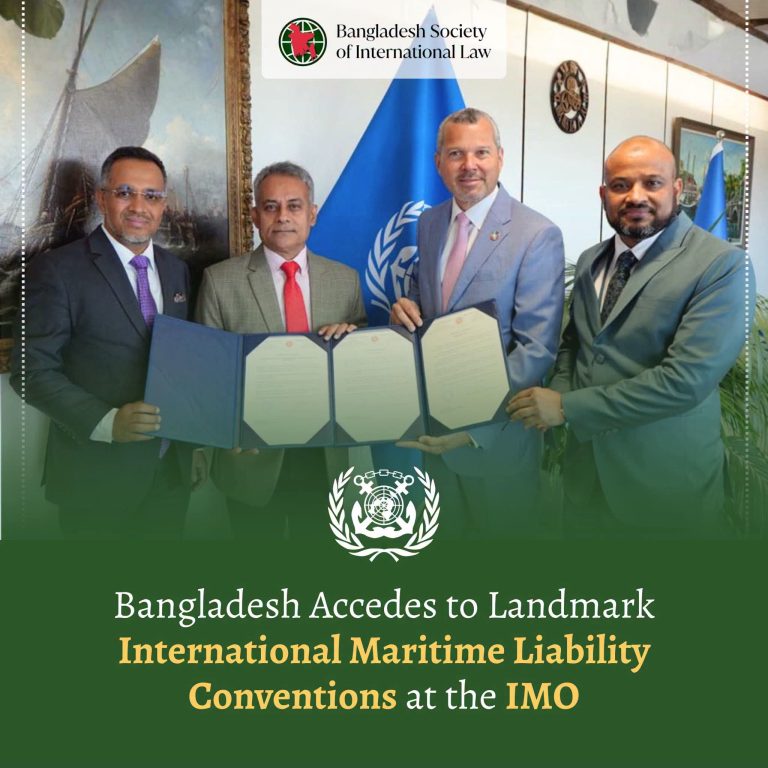
This development marks a critical step forward, as the treaty has now met the required threshold of 12 Contracting States to trigger its entry into force provisions. Designed to ensure adequate, prompt, and effective compensation for damage caused by hazardous and noxious substances (HNS) transported by sea, the Convention operates on the "polluter pays" principle. It establishes strict liability for shipowners, capped at 250 million Special Drawing Rights (approximately $360 million) per event, complemented by a dedicated HNS Fund financed post-incident by cargo receivers.
With these recent ratifications, the total quantity of HNS contributing cargo received by the contracting states will be assessed after 31 May 2026. If the required 40-million-tonne threshold is confirmed, the 2010 HNS Protocol could enter into force as early as 30 November 2027. Once active, this regime will close a significant gap in international maritime law, covering not only pollution damage but also risks of fire, explosion, personal injury, and property loss.
For a coastal nation like Bangladesh, with its highly active ports and vulnerable Bay of Bengal ecosystem, this regime provides a critical financial safety net against hazardous chemical spills. Crucially, enforcing this "polluter pays" principle ensures that local authorities and coastal communities do not bear the economic brunt of transnational maritime disasters.
#InternationalLaw #MaritimeLaw #HNSConvention #IMO #EnvironmentalLaw #PolluterPays #BSIL #LegalUpdate #Bangladesh